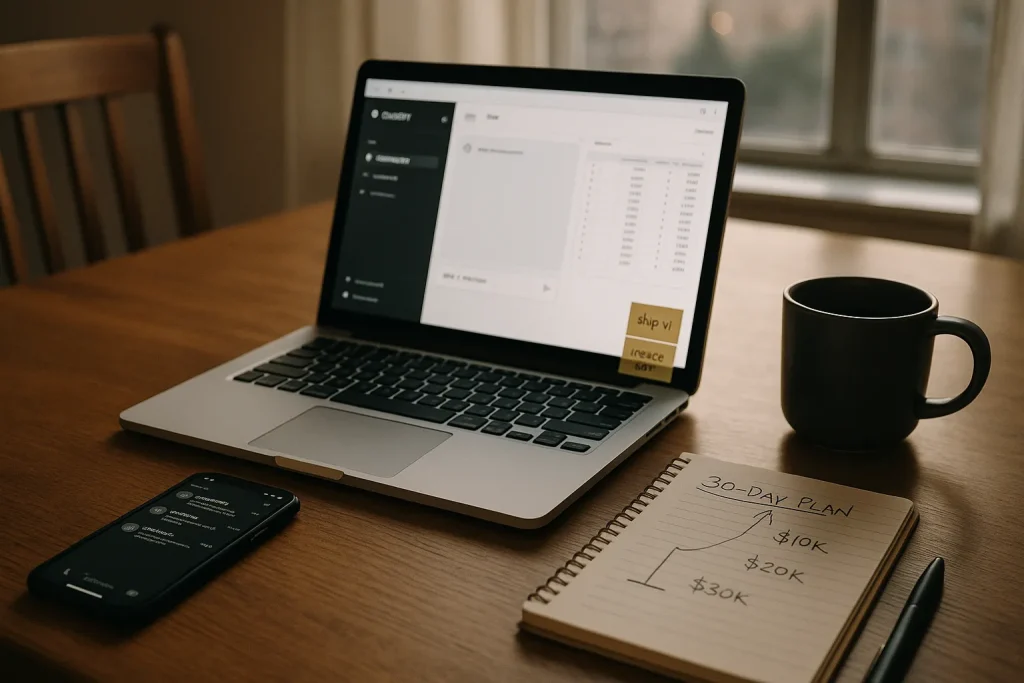
The notification arrives at 2 a.m.: “Your order has shipped.” You unlock your phone, squinting at a confirmation for items you don’t remember buying—another late-night scroll through online stores that somehow ended with your credit card details autofilling themselves into oblivion. By morning, the dopamine has faded, replaced by a familiar knot of regret. This is stress spending 2026 in its purest form: the compulsive reach for the wallet when anxiety tightens its grip, a financial coping mechanism that’s become as American as credit card debt itself.
What Is Stress Spending and Why Is It Surging in 2026
Stress spending—also called emotional spending or doom spending—describes the pattern of making purchases primarily to manage negative emotions rather than fulfill genuine needs. Unlike planned shopping or even occasional impulse buys, stress spending operates as a psychological pressure valve, temporarily releasing built-up tension through the act of acquisition.
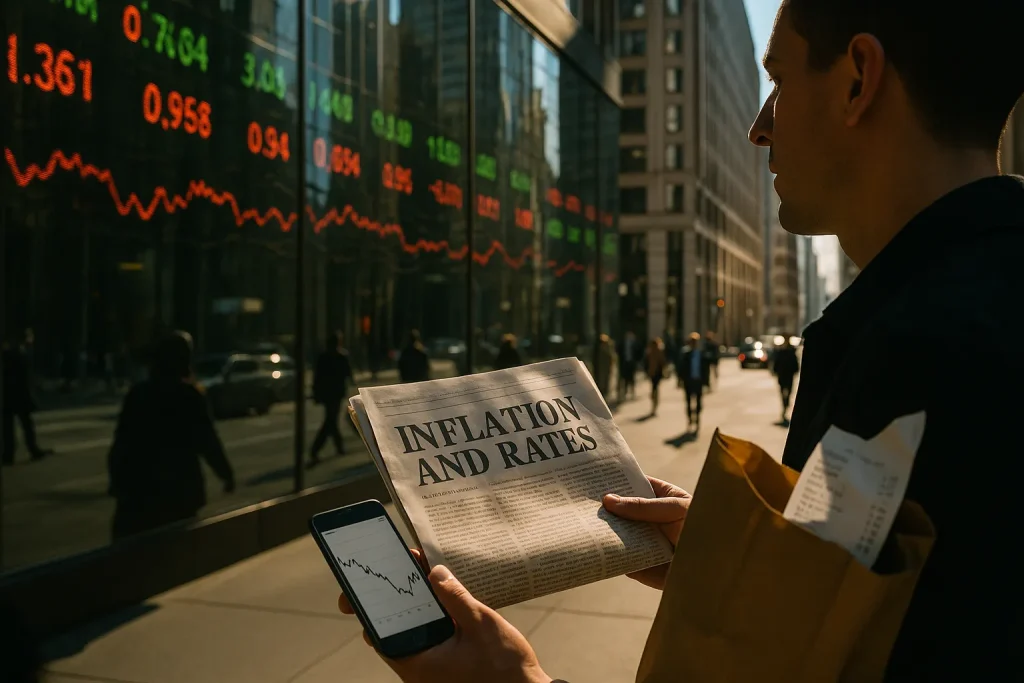
The phenomenon has intensified dramatically in 2026 for reasons both economic and cultural. Inflation fatigue has created a paradoxical environment where financial anxiety itself triggers the very behavior that worsens financial health. When everyday essentials feel prohibitively expensive, the psychological reasoning goes, what’s another $47 on something that might provide momentary relief?
Social media algorithms have evolved into precision instruments for exploiting emotional vulnerability. TikTok’s “For You” page doesn’t just show products—it curates emotional narratives around consumption, packaging stress relief as a shoppable experience. The hashtag #stressshopping has accumulated over 890 million views, with users confessing to everything from midnight furniture purchases to entire wardrobes bought during work anxiety spirals.
Reddit communities like r/shoppingaddiction and r/nobuy have exploded in membership, growing by 340% since 2024 according to platform analytics. These digital support groups reveal the scope: this isn’t about wealthy shopaholics, but ordinary Americans using retail therapy to manage the chronic low-grade stress of contemporary existence.
Economic uncertainty plays a starring role. With recession fears cycling through news feeds, housing costs at historic highs, and political instability creating ambient anxiety, many Americans report feeling they’re spending money they don’t have to cope with problems money can’t solve. The irony isn’t lost on them—it’s part of the shame cycle that perpetuates the behavior.
The Psychology Behind Why Anxiety Makes You Reach for Your Wallet
The neuroscience of stress spending reveals why this habit feels so automatic. When anxiety activates the amygdala—the brain’s threat-detection center—it triggers a cascade of stress hormones including cortisol and adrenaline. These chemicals create an urgent need for relief, and the brain begins scanning for available coping mechanisms.
Shopping triggers dopamine release in the brain’s reward pathways, the same neurotransmitter associated with eating, sex, and substance use. The anticipation of a purchase—scrolling through options, adding items to cart, imagining ownership—activates these pleasure centers even before money changes hands. For someone in an anxious state, this neurochemical shift provides immediate, measurable relief.
Dr. April Benson, a psychologist specializing in spending disorders, explains that emotional spending habits often develop as learned behaviors. If childhood experiences taught you that acquiring new things equals love, security, or status, your adult brain maintains that association. Stress reactivates these neural pathways, making spending feel like a solution rather than a symptom.
The temporary nature of the relief creates a problematic feedback loop. The dopamine spike from purchasing lasts minutes to hours, but the underlying anxiety—now compounded by financial guilt—remains. This creates what psychologists call a “negative reinforcement cycle,” where the behavior that caused harm becomes the go-to strategy for managing the harm it caused.
Impulse buying anxiety also intersects with decision fatigue. By evening, after hundreds of micro-decisions throughout the day, the prefrontal cortex—responsible for rational judgment—becomes depleted. This is why stress spending often peaks during late-night browsing sessions, when willpower reserves are lowest and emotional regulation is compromised.
Social comparison amplifies the psychological triggers. Instagram and TikTok create curated realities where everyone appears to be thriving through consumption. When your own life feels chaotic or inadequate, purchasing the aesthetic—the skincare routine, the organizational system, the lifestyle brand—promises transformation. You’re not buying products; you’re buying the fantasy of becoming someone who has their life together.
5 Warning Signs You’re a Stress Spender
Recognizing stress spending patterns requires honest self-assessment. These five indicators suggest emotional purchasing has moved from occasional indulgence to problematic coping mechanism:
1. Shopping follows predictable emotional triggers. You notice a pattern: bad day at work leads to browsing online stores, argument with partner results in “treating yourself,” Sunday anxiety manifests as filling shopping carts. The purchases aren’t random—they’re responses to specific emotional states.
2. You can’t remember or justify recent purchases. When checking bank statements, you encounter charges that surprise you. Not because of fraud, but because you genuinely don’t recall buying those items or can’t articulate why you needed them. The objects themselves often remain unused, tags still attached.
3. Financial anxiety triggers more spending. The most paradoxical sign: worrying about money makes you spend more money. Checking a concerning bank balance leads directly to making another purchase, as if the anxiety itself demands immediate dopamine compensation regardless of logic.
4. You hide purchases or lie about spending. Packages get smuggled into the house, shopping bags hidden in car trunks, or you find yourself minimizing costs when partners ask about new items. The secrecy indicates awareness that the behavior has crossed a line.
5. Shopping has replaced other coping strategies. Activities that once helped manage stress—exercise, socializing, hobbies—have been crowded out by browsing and buying. Shopping has become the default response to any uncomfortable emotion, from boredom to existential dread.
How Much the Average American Loses to Emotional Purchases
The financial toll of stress spending 2026 is staggering when aggregated across millions of individual transactions. According to recent surveys by financial wellness platforms, the average American spends approximately $314 per month on purchases they later categorize as emotional or unnecessary—nearly $3,800 annually.
For younger demographics, the numbers skew higher. Millennials and Gen Z report spending an average of $430 monthly on stress-driven purchases, with clothing, food delivery, and digital entertainment subscriptions comprising the largest categories. The ease of one-click purchasing and buy-now-pay-later services has removed traditional friction points that once created natural pause moments.
The broader economic impact extends beyond individual bank accounts. Consumer debt has reached $17.5 trillion in early 2026, with credit card balances averaging $7,200 per household—a 23% increase from 2024. While not all debt stems from emotional spending, financial counselors estimate that 40-60% of credit card purchases involve some element of emotional motivation rather than practical necessity.
Retail therapy mental health costs compound the financial damage. The shame, anxiety, and relationship stress created by overspending often require professional intervention. Yet the same financial strain that necessitates therapy makes it unaffordable, creating another vicious cycle.
Buy-now-pay-later services have democratized debt in ways that obscure its accumulation. Breaking a $200 purchase into four “easy” payments of $50 psychologically minimizes the expense while maximizing the likelihood of multiple simultaneous payment plans. Users often discover they’re juggling 8-12 active payment schedules, collectively draining hundreds monthly in installments that individually seemed manageable.
Therapist-Approved Strategies to Break the Stress Spending Cycle
Breaking free from stress spending requires addressing both the emotional triggers and the behavioral patterns they’ve created. Mental health professionals recommend a multi-layered approach that treats the symptom and the underlying cause simultaneously.
Implement the 48-hour rule. When tempted to make a non-essential purchase, add it to a wishlist instead of a cart, then wait 48 hours. This creates space between impulse and action, allowing the emotional intensity to diminish. Research shows that 70% of desired purchases lose their appeal within two days when this buffer is introduced.
Identify your specific spending triggers. Keep a spending journal for two weeks, noting not just what you bought but what you were feeling immediately beforehand. Patterns emerge quickly: perhaps Friday afternoons trigger spending as work stress peaks, or Instagram browsing after 9 p.m. consistently leads to purchases. Once you know your triggers, you can implement targeted interventions.
Create friction in the purchasing process. Remove saved payment information from websites, delete shopping apps from your phone, unsubscribe from promotional emails, and turn off one-click purchasing. These small obstacles create decision points where your rational brain can override emotional impulses. The goal isn’t to make shopping impossible, but to make it intentional.
Develop alternative dopamine sources. Since stress spending provides neurochemical rewards, you need replacement behaviors that offer similar benefits without financial consequences. Physical exercise, creative hobbies, social connection, and even brief outdoor exposure all trigger dopamine release. The key is having these alternatives readily available when anxiety strikes.
Address the underlying anxiety. If spending is how you’re managing chronic stress, the spending will continue until you develop healthier coping mechanisms. This might involve therapy, medication, lifestyle changes, or all three. Cognitive-behavioral therapy (CBT) has shown particular effectiveness for both anxiety disorders and compulsive spending behaviors.
Practice self-compassion over shame. Beating yourself up about stress spending typically triggers more stress spending. Research from the American Psychological Association demonstrates that self-compassion—treating yourself with the kindness you’d offer a struggling friend—actually improves behavior change outcomes compared to self-criticism.
Set up financial guardrails. Automate savings so money moves to protected accounts before you can spend it. Use separate checking accounts for discretionary spending with limited balances. Consider cash-only challenges for categories where you overspend. These structural changes reduce reliance on willpower alone.
For those seeking deeper insight into the intersection of money and mental health, comprehensive resources exist that examine these patterns from multiple angles. Platforms like US Watchers provide ongoing coverage of financial anxiety trends, economic factors affecting American households, and evidence-based strategies for building healthier relationships with money during uncertain times.
The path forward isn’t about perfect control or never making another emotional purchase. It’s about recognizing when spending has become a maladaptive coping mechanism and gradually building a toolkit of responses that serve your long-term wellbeing rather than undermining it. Financial health and mental health aren’t separate domains—they’re deeply intertwined aspects of the same struggle for stability in an increasingly unstable world.
Recovery from stress spending often involves redefining your relationship with both money and emotion. Money isn’t inherently good or evil—it’s a tool. Emotions aren’t problems to be solved through purchasing—they’re information about what you need. When you can sit with discomfort without immediately reaching for your wallet, you’ve begun to break the cycle. When you can experience anxiety and choose a walk instead of a transaction, you’ve reclaimed agency. These small victories accumulate into genuine transformation, one unpurchased impulse at a time.
Frequently Asked Questions
What is stress spending and how do I know if I do it?
Stress spending is the pattern of making purchases primarily to manage negative emotions like anxiety, sadness, or overwhelm rather than to fulfill actual needs. You’re likely a stress spender if you notice shopping follows predictable emotional triggers (bad days, relationship conflicts, work stress), if you can’t remember or justify recent purchases when reviewing bank statements, if you hide purchases from family members, or if financial anxiety itself triggers more spending. The key indicator is that the act of purchasing provides temporary emotional relief that fades quickly, often replaced by guilt or regret.
Why does anxiety make people spend more money?
Anxiety triggers stress hormones that create an urgent need for relief, and shopping activates dopamine release in the brain’s reward pathways, providing immediate neurochemical comfort. The anticipation and act of purchasing temporarily shifts brain chemistry away from the anxiety state, making spending feel like a solution. Additionally, decision fatigue from chronic stress depletes the prefrontal cortex responsible for rational judgment, making impulse control more difficult. For many people, shopping also represents a form of control during times when other life aspects feel chaotic or uncertain—choosing and acquiring something provides a sense of agency that anxiety strips away.
How much do Americans spend on impulse purchases in 2026?
Current surveys indicate the average American spends approximately $314 per month on purchases later categorized as emotional or unnecessary, totaling nearly $3,800 annually. Younger demographics (Millennials and Gen Z) report higher averages of around $430 monthly on stress-driven purchases. These figures represent a significant increase from previous years, driven by easier purchasing mechanisms like one-click buying, buy-now-pay-later services, and targeted social media advertising that exploits emotional vulnerability. The categories most affected include clothing, food delivery, digital subscriptions, and home goods.
What are healthy alternatives to retail therapy?
Effective alternatives to retail therapy provide similar dopamine release and emotional regulation without financial consequences. Physical exercise is particularly powerful, as it directly addresses stress hormones while triggering endorphin release. Creative activities like drawing, writing, or crafting engage the brain’s reward centers through accomplishment rather than acquisition. Social connection—calling a friend, attending community events, or even quality time with pets—fulfills emotional needs that shopping temporarily masks. Mindfulness practices, brief outdoor exposure, organizing existing possessions, and engaging with hobbies all offer healthier dopamine sources. The key is identifying which alternatives work for your specific emotional triggers and making them as accessible as online shopping currently is.